Sunday, April 29, 2018

Prevent disease

 Image result for exercise prevents disease


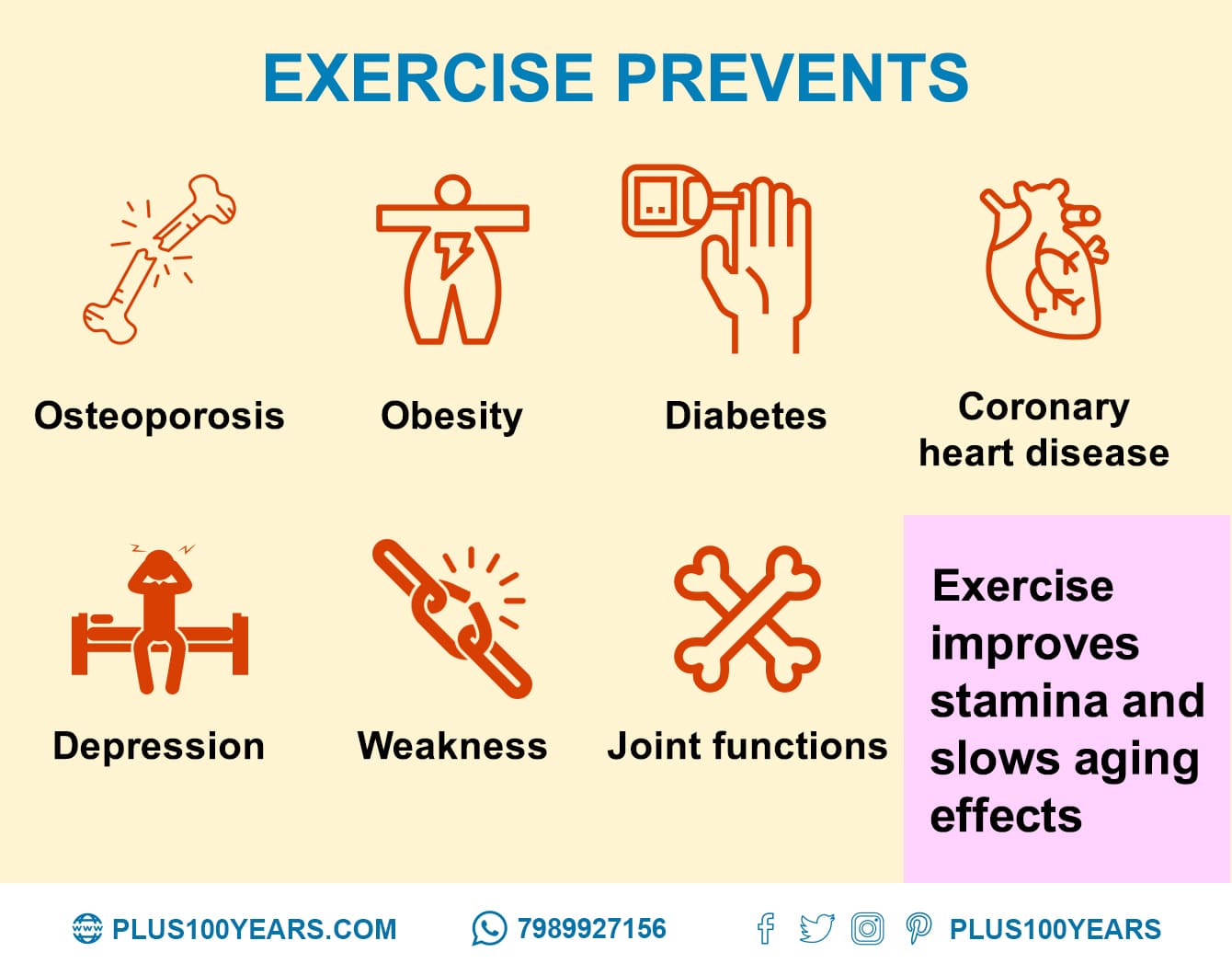
From fortifying your immune system against future cancers to reducing the risk of breast cancer, regular exercise helps protect your body. Although researchers aren’t entirely sure how exercise boosts immunity, theories range from bacteria being flushed out of the body to a reduction in stress-released hormones that might increase the risk of illness. While we wait for the science to catch up, it’s clear that engaging in moderate to intense exercise benefits your body in ways we’re not even sure of yet.

Live Longer

Image result for older couple working out 

Being there for our loved ones and enjoying as many special moments together as we can, is really what life is about. In 2012, a study was made on more than 650,000 people. And in this study they found that 150 minutes of decent or moderate exercise will increase your lifespan by about 3.4 years. Those are extra years that you could be able to spend with your loved ones and reminisce about the good old days. 

Friday, April 6, 2018

Help Your Memory

 Image result for exercise and memory


Are you constantly losing your keys or struggling to remember other peoples names? Exercising regularly can help expand your memory. In 2014 there was a study that found that aerobic exercise, like running or swimming, boosts the size of the hippocampus, the part of the brain responsible for memory and learning, in women with a recognized risk factor for dementia. Besides looking to brain food to boost your memory and mental skills, start breaking a sweat!

Strength and Flexibility

 Image result for strength and flexibility


Strength training, whether you’re lifting weights, doing body weight exercises or incorporating yoga moves, helps improve muscle strength and muscle mass, particularly important as we age. It also keeps bones strong, thus serving as a great natural treatment for osteoporosis. Plus, increased muscle helps your body burn calories more efficiently long after your workout is over. And don’t forget about stretching: It increases your body’s flexibility, helping everyday tasks become easier. It also sends more blood to your muscles, improving circulation, and can lower the risk of cardiovascular disease. Just a few minutes a day of deep stretching can make a difference.

Need an Energy Boost?

 Image result for exercising energy boost


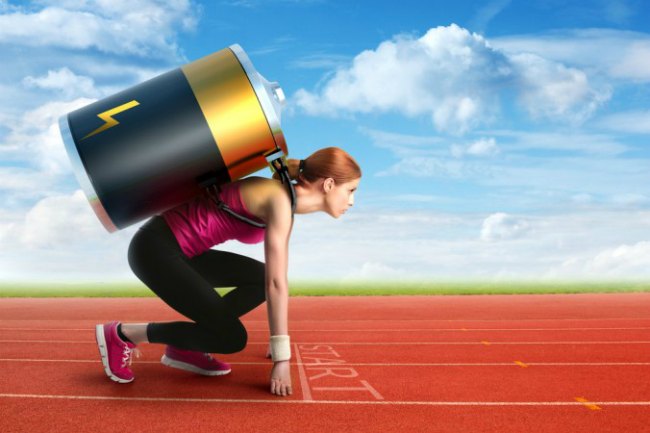
When you’re feeling exhausted, the last thing you might want to do is squeeze in a workout. But, according to experts, that’s exactly what you should do. They found that low-intensity exercise, the equivalent of a leisurely stroll, experienced a drop in fatigue levels and a 20 percent energy boost. Even more exciting is that the low-intensity exercise group’s fatigue levels dropped more than the higher-intensity group, great news for those who might skip a workout because they don’t have time or energy for a more intense session. Both groups reported steadily increased energy over the span of the six-week experiment.

Sleep Better

 Image result for exercising sleep better


If you can't sleep and instead are prone to tossing and turning, exercising can help you sleep better. By strengthening circadian rhythms, exercising can help keep you more bright-eyed during the day and bring on sleep at night. It also promotes better quality sleep. While the effects may not be an immediate quick fix — a recent study found that it can take up to four months for those beginning an exercise routine to have a positive effect on sleep ­— starting a working out plan is the only way to ensure you’ll sleep soundly every night.

Your Heart Benefits

Image result for exercise heart healthy


Did you know you could prevent heart disease naturally by working out? Because you can. A massive study conducted with 339,000 people showed there was no statistically detectable differences existed between those who exercised and those who were given medications in the prevention of coronary heart disease and prediabetes. In addition to that, patients who have had suffered a stroke before, physical activities were more beneficial than drug treatments. So, why use drugs when you could do the same or better with natural exercising